Blankets provide essential warmth, comfort, and thermal regulation across seasons, making them a foundational element of bedding. Materials like natural fibers and insulated textiles influence both warmth and breathability. In Vermont sheepskin contexts, wool blankets often leverage fleece structure for sustained heat retention while allowing moisture management for overnight comfort.
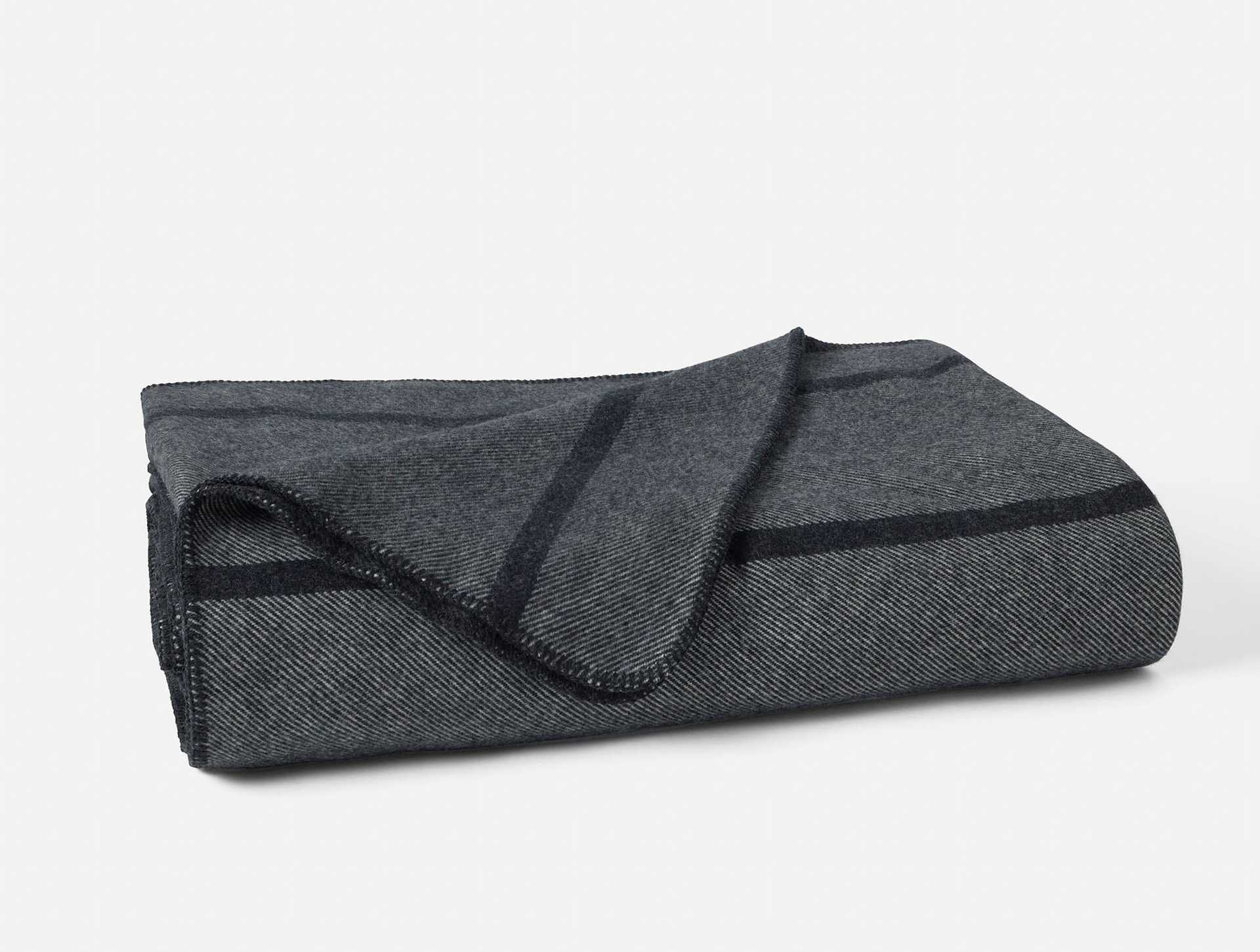
Wool blankets, including the Tahoe Wool Blanket, exemplify durable construction and natural insulation. Key features typically include a dense weave for longevity, moisture-wicking properties, and the ability to regulate temperature to prevent overheating. These characteristics support year-round use in diverse climates and sleeping environments.
For practical use, blankets can complement toppers and wool mattress toppers by adding a transitional layer that reduces heat exchange. The Tahoe Wool Blanket, with its robust fibers, can work in tandem with other bedding components to create a balanced sleep surface that remains comfortable under varying room conditions.
Understanding material composition helps in selecting the right warmth level and care approach. Wool-based blankets often resist odor buildup, are naturally flame-repellent, and can be laundered with appropriate methods to preserve fiber integrity. Proper care extends fabric life and maintains ergonomic benefits for neck and shoulder comfort during rest.
In bedding considerations, the Tahoe Wool Blanket demonstrates how natural fibers contribute to sustainability and functional design. The blend of warmth, breathability, and durability aligns with educational goals for choosing textiles that support restful sleep, healthful climates, and consistent nighttime thermoregulation in diverse sleeping spaces.
 Bedding